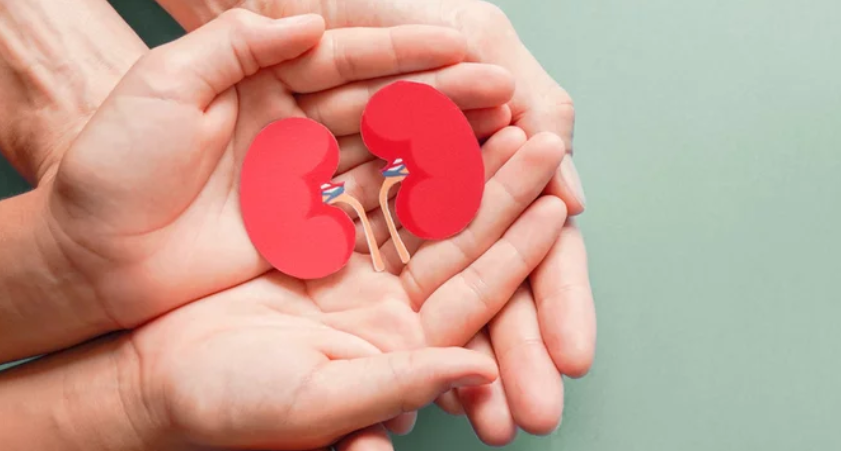
Chronic kidney disease (CKD) is one of the most common and under-recognized conditions in the United States. An estimated 1 in 7 adults is affected, according to the Centers for Disease Control and Prevention (CDC), yet most patients are not diagnosed in the early stages.
This is not because the tools are missing. The clinical guidance is clear, and the tests needed to identify CKD are widely available. The challenge is using those tools consistently and following through over time.
Too often, patients are only diagnosed after meaningful kidney damage has already occurred, when treatment becomes more complex, more costly, and less effective.
Why CKD Is Often Missed in Early Stages
CKD rarely presents with noticeable symptoms early on. Patients can lose a significant amount of kidney function before fatigue, swelling, or other signs appear. Detection depends on routine lab testing, including eGFR and urine albumin measurements, as outlined by the National Institute of Diabetes and Digestive and Kidney Diseases (NIDDK).
Without consistent screening, especially among high-risk populations, early-stage CKD remains largely invisible. The United States Renal Data System reports that nearly 90 percent of individuals with early-stage CKD are unaware they have the condition.
The Role of Risk and Preventive Care
CKD is closely tied to other chronic conditions that are both common and manageable. Diabetes and hypertension are the primary drivers. About 40 percent of patients with diabetes develop CKD, and 1 in 3 adults with hypertension are affected, according to the CDC.
Cardiovascular disease and obesity further increase risk, creating overlapping patient populations that require consistent monitoring across multiple conditions.
These connections create a clear opportunity for earlier intervention, but only if patients are consistently identified. Managing blood pressure, controlling blood glucose, and supporting lifestyle changes can slow disease progression; however, these efforts require ongoing reinforcement over time to be effective, often through structured chronic care management programs.
Where CKD Care Often Breaks Down
On paper, CKD management is straightforward. In practice, it often breaks down in small but important ways.
Patients miss lab work. Follow-up gets delayed. Abnormal results do not always lead to timely action.
Most of these issues do not come from a lack of effort. They come from fragmentation, where care happens in pieces and patients are expected to connect those pieces on their own. CKD cannot be managed effectively through occasional visits alone. It requires continuous awareness of what is happening between those visits.
Moving Toward Continuous CKD Management
Improving outcomes starts with a shift in approach. Instead of reacting to changes after they occur, care teams need a more proactive and consistent way to manage patients over time. For patients with CKD, nephrology chronic care management can provide ongoing monitoring, patient education, and support aimed at slowing disease progression.
That includes identifying risk earlier, ensuring labs are completed when they should be, and tracking how kidney function changes over time. It also means reinforcing individualized care plans in ways patients can realistically follow.
Clinical guidelines from organizations such as KDIGO outline what should happen. The real challenge is making sure it happens reliably for every patient.
How Coordinated Care Makes a Difference
This is where coordinated care becomes important.
When patients receive support between visits, they are more likely to stay engaged with their care, complete labs, and follow treatment plans. Care teams gain better visibility into what is actually happening, making it easier to catch changes early and respond before the disease progresses.
Over time, this consistency leads to fewer complications and more stable outcomes.
CareHarmony’s Approach
CareHarmony focuses on strengthening the connection between visits. Patients receive ongoing support with medication adherence, lab completion, blood pressure tracking, and lifestyle guidance.
Instead of relying on isolated touchpoints, care becomes more continuous and connected. That reduces missed steps and creates more opportunities to identify issues early.
Over time, that consistency adds up. Patients stay more engaged, care plans are followed more closely, and providers have a clearer picture of how patients are doing.
A Clear Opportunity to Improve Outcomes
CKD is common, costly, and often diagnosed later than it should be. It is also a condition where better execution can make a meaningful difference.
The path forward is not about new tools or new guidelines, but about applying what already exists in a more consistent and reliable way. Earlier identification, regular monitoring, and stronger support between visits can significantly change how this disease progresses.
Frequently Asked Questions About Chronic Kidney Disease
Who should be screened for CKD?
Patients with diabetes, hypertension, or cardiovascular disease should receive regular screening with eGFR and urine albumin testing, based on clinical guidelines.
Why is CKD often diagnosed late?
Early-stage CKD usually has no symptoms, and screening is not always done consistently, which leads to delayed diagnosis.
Can CKD progression be slowed?
Yes. Managing underlying conditions, staying consistent with monitoring, and following care plans can significantly slow progression.
What tests are used to diagnose CKD?
CKD is identified through blood tests measuring eGFR and urine tests that detect albumin.
Improving CKD Outcomes Starts Between Visits
For many patients, the most important parts of managing chronic disease happen outside of the exam room.
Making sure patients complete labs, stay engaged with care plans, and work through barriers requires consistent coordination and support. That is where real improvement happens, not just in defining the right care, but in making sure it is delivered every time.
Learn more about how CareHarmony supports chronic care management across complex patient populations.
Recent Posts
-
 Building Sustainable Care Coordination Programs
 -
 Reducing Hospital Readmissions Through Better Care Coordination
 -
 From Prevention to Follow-Through in Cervical Cancer Care
 -
 Earlier Lung Cancer Detection Starts With Better Care Coordination
 -
 Beyond the Visit: Why Care Coordination Is Becoming Essential in Post-Acute Care